


We sleep when we are tired. We meditate to rest our mind. But what do we do with a weary heart?
The thought came to me once we landed in Aruba. My dad would never go to Marshall’s again.
This stupid, single thought, was enough to drive me to indelible tears. I had just left my chosen home, my job, and all of my friends along with it, and the only thing I could cry about then was the franchises of overconsumption we’d lost access to.
So much of my existence in the US felt defined by what I owned and how it represented my values, where I spent my money and how it built the future I wanted to live. We knew we could run to Savers and acquire a new secondhand item that felt ours immediately, real, something tangible to tell us we existed here and did it well, intentionally. That we could foster someone else’s belongings until it became our time to pass them on as well in some sort of holy capitalist sacrament. It’s not just that I could do it, no, it’s that I began to need it.
I began to need material reciprocity in order to feel alive.
The desert gives me nothing in the way of material abundance. I cannot forage for sticks, there are no trees. I cannot go pick wildflowers— without rain, there is no such thing. There is no secondhand store stocked enough to venture into and acquire a new reassurance, a different sense of self, a reason to keep going. As I write and think about it, I realize couldn’t buy those things in the US either, but meeting a manufactured need felt just as fulfilling in the moment. A dopamine hit, as the kids would call it, to get me by.
Speaking of dopamine hits, I’ve started to track my phone usage more. I’ve lost countless hours to the machiavellian feature of endless scrolling, searching in the dumps of algorithmically-assigned content-crap for god-knows-what. In a fashion similar to a south American dad at Marshall’s, or heartbroken people knelt down in pews, I am a lost soul coming to the bright church within this device in search for answers. I’m not exaggerating— Every single time I open my phone to scroll, now met with a hard stop, I realize I am desperate for the breath of relief only an answer could give me. An answer to my fears, to whether I will get a job or not, to why my heart weighs as heavily as it does today, to whether my friends truly love me, and whether love alone can save me. An answer within the misinterpreted silence of an apparently indifferent universe, a clear next step to unbind me from the powerlessness I feel. But my phone cannot do that for me. And neither can Marshall’s.
I refuse to believe this behavior is knee-jerk. I call it an addiction because it is. It is an attempt at numbing out my life.
These days, I keep most of my phone locked behind a proxy that redirects me to freedom. I debated it for months, but after realizing every day I kept wasting stuck in a cycle of addiction was worth more than the cost and the chance to try something different, I gave in and bought a lifetime membership to this software called Freedom. Every time I attempt to open one of the now-banished apps it reminds me, with a reassuring green hue and a flat icon of a butterfly, that I am free to do something else. And now, more than I have the last few years of my life, I do.
I draw, I write, I call my mother or talk to a friend. What a different world it feels, to look back to the parts of me that thought I could find something inside this screen to replace the feeling of being alive.
That I’d even want to.
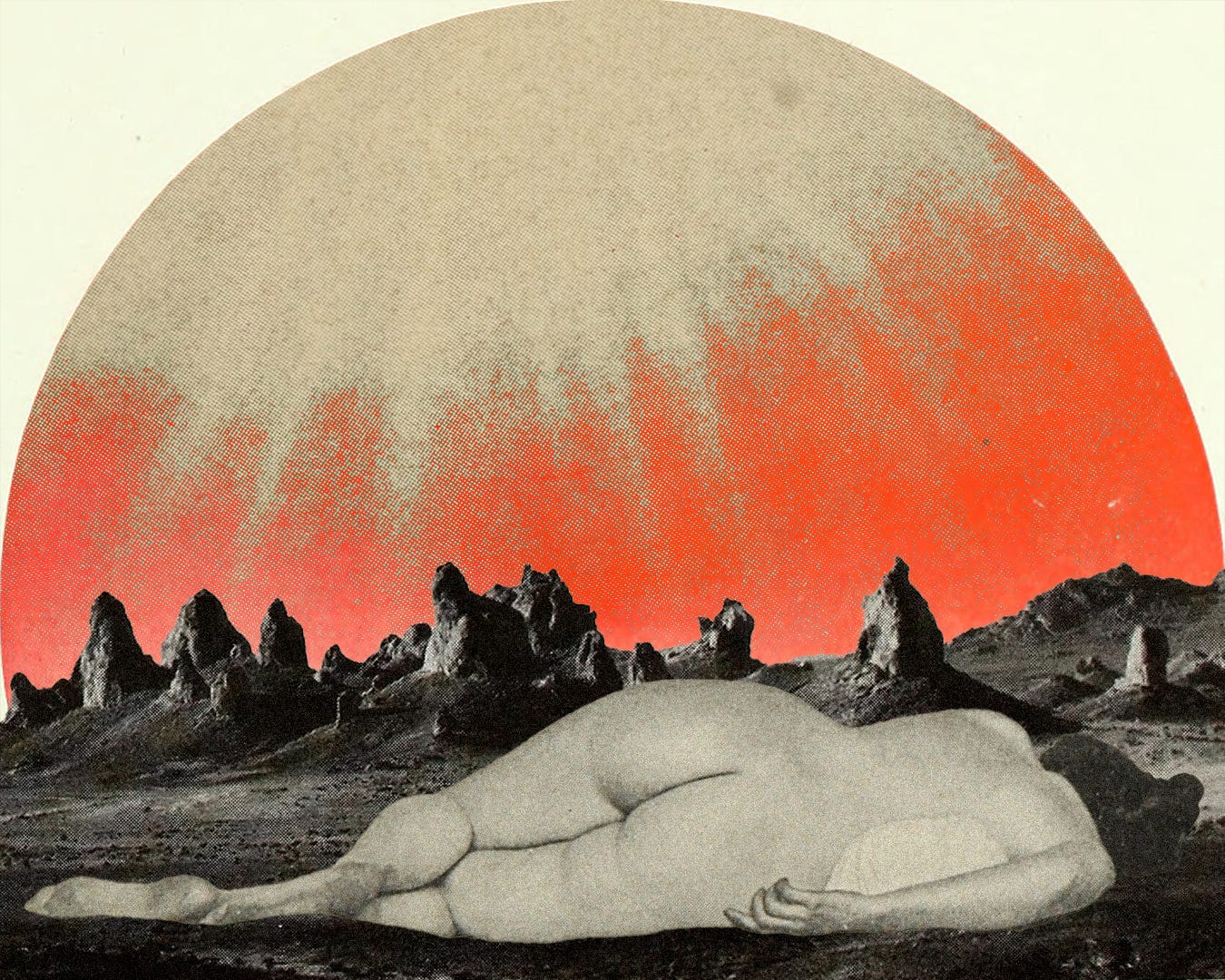
We sleep when we are tired. We meditate to rest our mind. But what do we do with a weary heart?
I found myself asking this question on Friday after E had left for class. I also found myself opening Google and, feeling like a bit of a dork, vulnerably typing it into the search bar. I felt I had no one else to talk to about it.
After digging and skimming through some blog posts, poetry seemed to be the leading answer, with allowing yourself the opportunity to love and tending to real connections being close behind. I settled on the most immediately digestible answer, and instinctively knew who to turn to for poems that would wring my heart out. In a new tab I typed out “poems about grief by Mary Oliver”, and went about my search.
Since blocking out social media, I’ve stopped landing on Reddit threads, which used to feel informative, now instead digging through blogs that remind me of the loving people who make up the internet outside of the weird social media monopoly we’ve found ourselves pinballing within. One poem led to another, and through blurry eyes, I spotted our dear A. Gibson in the sidebar wordcloud. This was the poem that did me in swiftly:
The Madness Vase
The nutritionist said I should eat root vegetables. Said if I could get down thirteen turnips a day I would be grounded, rooted. Said my head would not keep flying away to where the darkness lives.
The psychic told me my heart carries too much weight. Said for twenty dollars she’d tell me what to do. I handed her the twenty. She said, “Stop worrying, darling. You will find a good man soon.”
The first psycho therapist told me to spend three hours each day sitting in a dark closet with my eyes closed and ears plugged. I tried it once but couldn’t stop thinking about how gay it was to be sitting in the closet.
The yogi told me to stretch everything but the truth. Said to focus on the out breath. Said everyone finds happiness when they care more about what they give than what they get.
The pharmacist said, “Lexapro, Lamictal, Lithium, Xanax.”
The doctor said an anti-psychotic might help me forget what the trauma said.
The trauma said, “Don’t write these poems. Nobody wants to hear you cry about the grief inside your bones.”
But my bones said, “Tyler Clementi jumped from the George Washington Bridge into the Hudson River convinced he was entirely alone.”
My bones said, “Write the poems.”
Where would we be if A. Gibson had numbed out their bones as they rattled, hurt, called?
I was crying even harder now, but my chest felt lighter.
So. We sleep when we are tired. We can meditate to rest our mind. But, now, what do we do with a weary heart?
How do you soak it, wring it out, hang it out to dry? How do you fold it up neatly, how do you put it to rest? How do you release it from the pressure building up against it, an ancient dam about to burst?
You let it break.
It’s incredible how far the human brain will go to avoid pain. I try to remind myself that this is the human condition, that we have felt gut-wrenching dread at the uncertainty ahead for as long as we have been alive, and we have ran from it for just as long. We seek relief through capitalism and consumption, we scroll for hours, we reject the vulnerable and destroy the unexplainable, unconsciously behaving as if we could patch this stubborn bug by surrounding it with the right combination of items to determine our existence, eternally suppressing, seeking to exile the undefinable. It all just wells up behind the dam. It does not go away.
In opening apps, I am attempting to tend to this heaviness within my chest by connecting, but the “connection” offered by these services is a double-sided mirror. I’d rather give myself the opportunity to lean into more creative, human containers for my grief.
I am undistracted, grief-stricken, bored, and afraid. And I think I am meant to be.

> undistracted, grief-stricken, bored, and afraid
it’s perfect
Tender and sharp, thank you for your continued publishing!